Sweden’s largest wetland restoration is a central part of Kaunis Iron’s environmental work
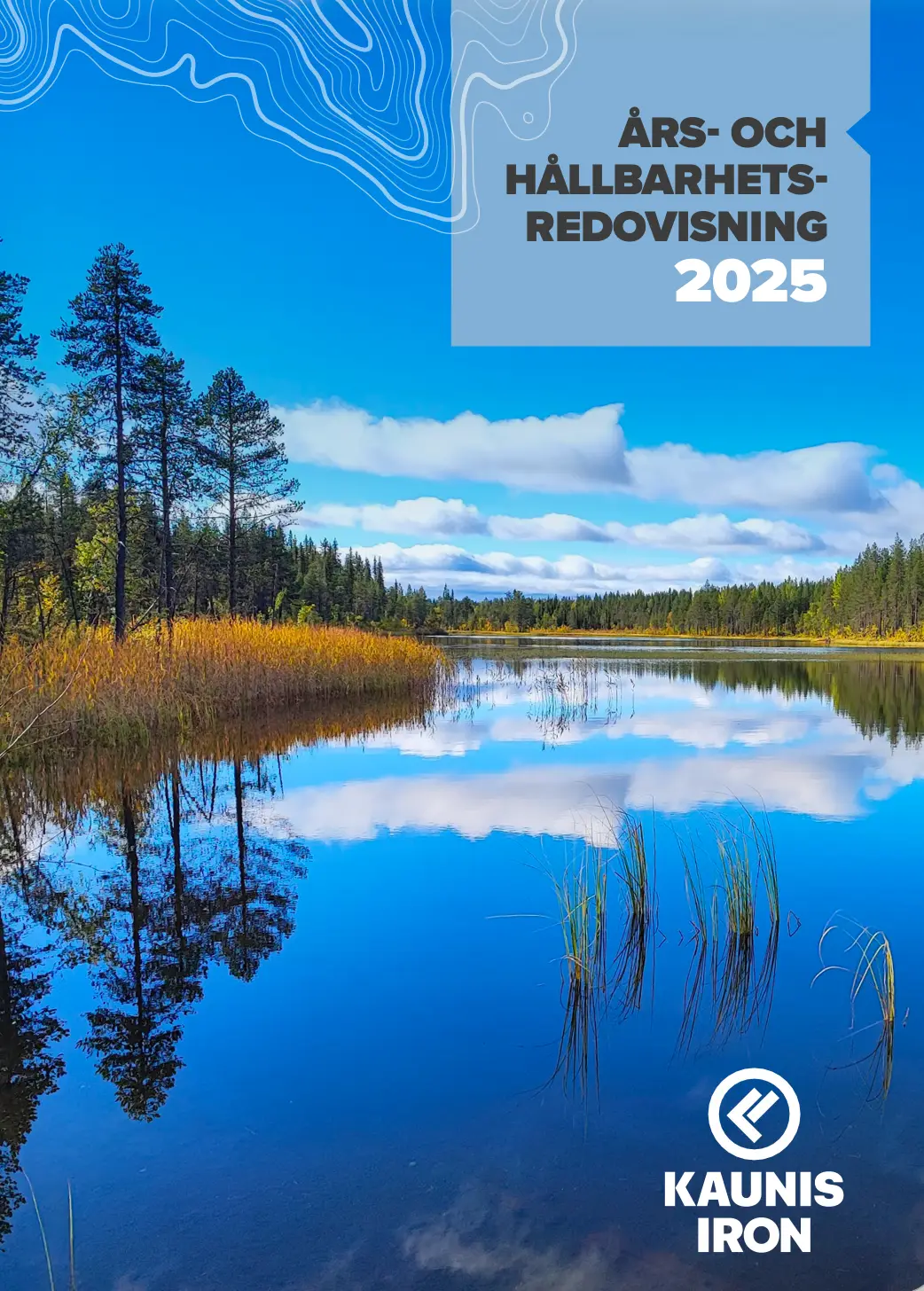
Around the open-pit mine in Kaunisvaara, forests and wetlands are being restored to benefit species such as orchids, the three-toed woodpecker and the Eurasian curlew. In total, 826 hectares of previously ditched forest land are being restored to wetland and veteranised forest – land that was once drained for forestry.
– We are compensating both for land we have already taken and for areas we will affect when we open new deposits, explains Lars Wallgren, environmental and sustainability strategist at Kaunis Iron.
The work is carried out together with biologists and the County Administrative Board (Länsstyrelsen), which approves and inspects the plans. The restoration takes place 1–3 years before upcoming mining projects, but in step with the development of the projects.
The measures promote biodiversity:
• girdling, simulated lightning strikes and controlled burns create dead wood for woodpeckers
• open fields are created for the curlew to breed
• noise and disturbance are reduced during breeding periods
Old wetlands are restored, which also benefits carbon dioxide uptake. For example, orchids have been moved from the tailings storage facility to a new wetland north of the mine.
Field technician Jyrki Vaattovaara describes the method as “the beaver way”: local timber, branches, peat, soil and stone are used to dam the water, which minimises transport and makes the process circular.
– We start from proven techniques but develop them on site – it is almost like a research project, says Vaattovaara. The goal is always to preserve nature as far as possible.
Source: Kaunis’s website.